Disclaimer: This post may contain affiliate links, meaning we earn a small commission if you make a purchase through our links, at no additional cost to you.
Human Growth Hormone (HGH) is often referred to as the “fountain of youth” peptide. Produced by the anterior pituitary gland, it is the master hormone responsible for cellular regeneration, muscle growth, and maintaining a lean, highly efficient metabolism.
Unfortunately, by the time most men reach their late 30s, natural HGH production falls off a cliff. This endocrine decline—often accompanied by dropping testosterone levels—is the primary reason why losing abdominal fat becomes harder, energy levels crash, and recovery from workouts takes twice as long.

Hack Your Biology: The HGH Optimization Protocol
While many turn to expensive and risky synthetic injections, human biology is incredibly adaptable. Learn how to manipulate your sleep, diet, and supplementation to force your body to produce more youth hormones naturally.
Skip to the #1 Natural HGH Releaser ↓Key Takeaways (TL;DR):
- Deep Sleep is Mandatory: Up to 75% of your daily HGH is secreted during Slow-Wave Sleep. Poor sleep architecture completely blunts endocrine production.
- Insulin Control: Insulin and HGH have an inverse relationship. Intermittent fasting creates the low-insulin environment necessary for massive growth hormone spikes.
- Amino Acid Synergies: Lifestyle habits set the baseline, but targeted clinical precursors (like L-Arginine and Alpha-GPC) are required to push your pituitary gland to its maximum output.
Understanding the Top HGH Benefits for Men
Before diving into the protocols, it is important to understand why optimizing this hormone is crucial for anti-aging and daily performance. When your pituitary gland is firing optimally, the biological benefits are transformative:
- Accelerated Fat Loss: HGH stimulates lipolysis, the biological process where the body breaks down stored lipids to use as energy, specifically targeting stubborn abdominal fat.
- Lean Muscle Retention: It works synergistically to repair torn muscle fibers after resistance training, preventing the age-related muscle wasting known as sarcopenia.
- Skin and Bone Health: It drastically improves collagen synthesis, leading to tighter skin and denser bones, reducing the visual signs of aging.

Protocol 1: Master Your Sleep Architecture
You cannot out-train or out-supplement poor sleep. According to extensive neurobiological research, up to 75% of your daily HGH is released during the deepest stages of sleep (Slow-Wave Sleep). If your rest is constantly interrupted by screen blue light or poor diet—factors we discuss in our sleep and weight loss analysis—you never reach this restorative phase. Aim for 7 to 9 hours in a pitch-black, cool room.
Protocol 2: Implement Intermittent Fasting
One of the most potent triggers for growth hormone release is a drop in insulin levels. Insulin and HGH have an inverse relationship; when you eat a heavy, carbohydrate-rich meal, insulin spikes and HGH production shuts down immediately. Fasting protocols (like the 16:8 method) keep insulin remarkably low. Clinical studies have shown that extended fasting can spike HGH levels by up to 2,000% in men.

Protocol 3: The Power of Targeted Amino Acid Precursors
While lifestyle changes lay the foundation, modern diets often lack the precise concentration of amino acids required to push the pituitary gland to its absolute peak. This is where targeted, natural supplementation bridges the gap.
Specific amino acids—most notably L-Arginine, L-Glutamine, L-Lysine, and Alpha-GPC—act as direct chemical messengers. However, standard amino acid pills are often destroyed by stomach acid before they can be absorbed. To truly benefit, you need a clinical-grade formula designed with an enteric coating.
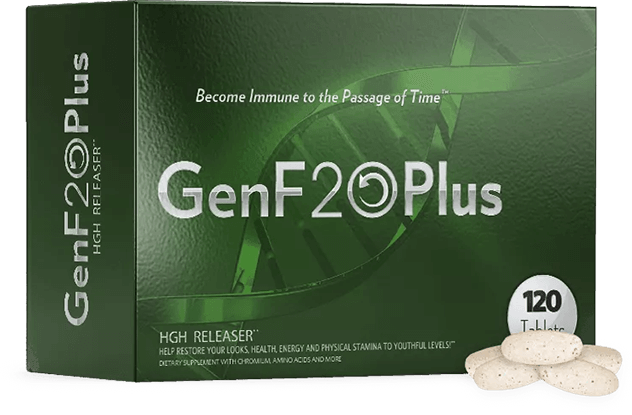
Supercharge Your HGH with GenF20 Plus
Read our full GenF20 Plus Review or select a package below to experience the dual-action formula (Enteric Tablets + Oral Spray) designed to maximize natural HGH release safely.
3 Month Supply
Cumulative Rejuvenation
6 Month Supply
Complete Cellular Reset
Medical Disclaimer: This guide is for informational purposes only. If you suspect a severe hormonal deficiency, always consult a qualified healthcare provider before beginning any new fasting or supplementation protocol.
Frequently Asked Questions (FAQ)
How long does it take to naturally increase HGH?
Dietary and sleep modifications can affect pituitary output within 48 to 72 hours. However, to experience the visible physical benefits—such as enhanced fat loss and muscle recovery—you must maintain consistent habits and supplementation for at least 60 to 90 days.
Can supplements really stimulate pituitary function?
Yes, but only if they contain the correct clinical precursors. High-grade amino acids like L-Arginine, combined with an enteric delivery system to survive stomach acid, act as proven catalysts that signal the anterior pituitary gland to release stored growth hormone.
Does fasting actually increase growth hormone?
Absolutely. Fasting creates a low-insulin environment in the body. Because insulin suppresses HGH, depriving the body of carbohydrates for 16 to 24 hours removes this suppression, leading to massive, biologically documented spikes in natural growth hormone production.
Are there side effects to boosting HGH naturally?
Natural optimization is exceptionally safe compared to synthetic HRT. Because methods like sleep architecture, intermittent fasting, and amino acid precursors simply encourage your body to produce its own hormones, they bypass the risks of organ enlargement and endocrine shutdown associated with illegal injections.
What foods naturally boost HGH levels?
A low-sugar, high-protein diet is the most effective. Foods rich in L-Arginine and L-Glutamine (like grass-fed beef, eggs, and wild-caught fish) provide the raw materials for hormone synthesis. Additionally, avoiding refined carbohydrates before bed prevents insulin spikes that block nocturnal HGH release.