Disclaimer: This post may contain affiliate links, meaning we earn a small commission if you make a purchase through our links, at no additional cost to you.
Managing chronic discomfort and joint stiffness is one of the most significant hurdles to maintaining peak physical performance and longevity. Over the past few years, CBD capsules for pain have surged in popularity, shifting from a niche alternative remedy to a mainstream staple in sports medicine and daily wellness routines.
However, to understand if cannabidiol is a viable solution for long-term recovery, we must look beyond temporary pain masking and analyze how it interacts with the body’s structural engineering.
How Inflammation Affects Cellular Regeneration and Stamina
When joints or muscle tissues experience micro-tears—whether from intensive physical training, repetitive stress, or conditions like fibromyalgia—the immune system triggers an inflammatory response. While acute inflammation is a necessary first step in healing, chronic inflammation acts as a system-wide bottleneck.
Persistent inflammatory states degrade cellular health, increase oxidative stress, and significantly drain your daily stamina. When your body is locked in a constant fight against localized discomfort, it depletes the metabolic energy required for deep tissue repair.
CBD capsules mitigate this by interacting directly with the body’s endocannabinoid system (ECS), specifically targeting CB2 receptors to downregulate the production of pro-inflammatory cytokines. By clearing this inflammatory bottleneck, you allow the body to enter an optimal state for structural remodeling.

The Connection Between Hormone Levels and Chronic Joint Pain
Many individuals treating joint discomfort fail to realize that pain is rarely an isolated issue; it is deeply intertwined with endocrine health. As the body ages, natural hormone production begins to decline, which directly correlates with the degradation of cartilage, reduced synovial fluid in the joints, and slower muscle recovery.
Testosterone and Human Growth Hormone (HGH) are not merely tools for muscle hypertrophy—they are the core biochemical pillars responsible for maintaining skeletal integrity and tissue elasticity. Low hormonal baselines weaken the structural support around your joints, forcing the ligaments to absorb more impact, which inevitably leads to chronic pain and recurring injuries. Therefore, relying solely on anti-inflammatory agents without addressing the root hormonal cause is an incomplete long-term strategy.

Beyond Pain Relief: Why Maximizing HGH and Testosterone Matters for Recovery
While incorporating CBD capsules into your routine is an excellent tactical move to reduce acute inflammation and muscle soreness, achieving true physical restoration requires an anabolic environment. To rebuild what chronic inflammation has worn down, you must optimize your body’s internal production of growth and repair signals.
For comprehensive cellular healing, incorporating natural HGH boosters can dramatically accelerate soft tissue repair, collagen synthesis, and sleep-induced recovery phases. Growth hormone works in tandem with your natural circulatory signals to ensure that nutrients are effectively delivered to damaged joint areas that typically suffer from poor blood flow.
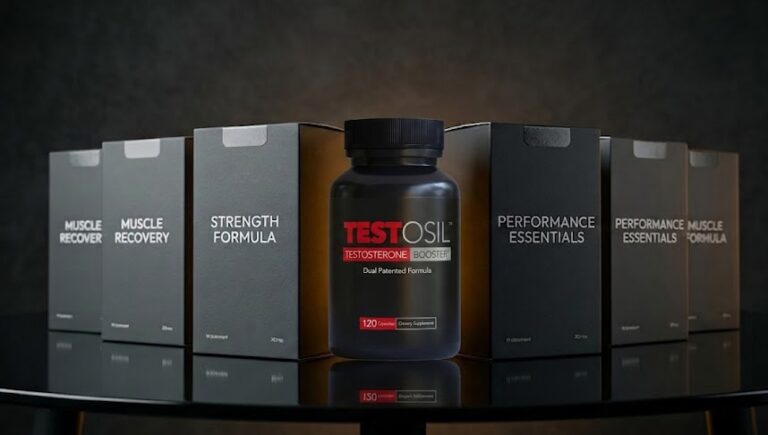
Simultaneously, focusing on safe methods for increasing male testosterone provides the necessary androgenic signals to preserve lean mass, density up bone structures, and fortify the muscular framework supporting your spine and joints. By combining the inflammation-calming properties of cannabinoids with a robust hormonal optimization protocol, you transition your body from basic pain management into an aggressive, proactive recovery phase.
Scientific References & Bibliography
- Nagarkatti, P., et al. (2009). Cannabinoids as novel anti-inflammatory drugs. Future Medicinal Chemistry, 1(7), 1333–1349.
- Vingren, J. L., et al. (2010). Testosterone physiology in resistance exercise and training. Sports Medicine, 40(12), 1037–1053.
- Meinhardt, U. J., & Ho, K. K. (2006). Modulation of growth hormone action by sex steroids. Clinical Endocrinology, 65(4), 413–422.