
Disclaimer: This post may contain affiliate links, meaning we earn a small commission if you make a purchase through our links, at no additional cost to you.
Achieving deep, restorative sleep is one of the most underrated factors in modern metabolic health. In the search for natural solutions to quiet a racing mind and ease physical tension before bed, locating the best CBD gummies has become a primary strategy for health-conscious individuals and athletes alike.
Instead of relying on heavy synthetic sedatives that leave a hangover effect the next morning, high-quality cannabidiol offers a non-habit-forming alternative to help transition the nervous system into a state of deep relaxation.
How Nighttime Relaxation Impacts Cortisol and Weight Loss
Most people view weight management strictly through the lens of caloric deficits and intense training sessions. However, clinical data demonstrates that chronic sleep deprivation acts as a massive metabolic disruptor. When you suffer from poor sleep quality, your body experiences an unnatural spike in cortisol—the primary stress hormone.
Elevated nighttime cortisol levels trigger a cascade of negative metabolic events. It forces the body to preserve visceral fat stores, particularly around the abdomen, while breaking down lean muscle tissue for emergency energy. Furthermore, lack of sleep disrupts ghrelin and leptin, the hormones responsible for regulating hunger and satiety.
By utilizing natural relaxants to soothe the central nervous system before bed, you actively lower cortisol output, creating an internal environment where your body can efficiently process fat and recover from daily stressors.
🛒 Looking for the Ultimate Nighttime Solution? If you want to bypass the stress and dive straight into deep, restorative rest, check out the Top-Rated CBD Gummies for Sleep & Cortisol Control Click Here. Experience professional-grade relaxation and wake up fully recovered.
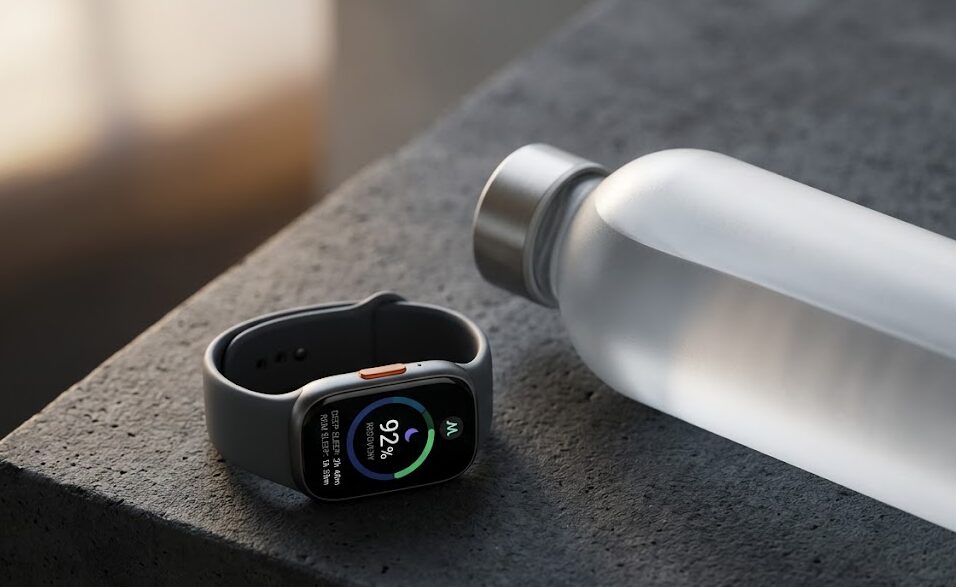
The Science of Cannabinoids in Deep REM Sleep Cycles
To understand why thousands of individuals seek out cannabinoids for nighttime use, we have to look at the architecture of sleep itself. True physical and cognitive restoration occurs during the deeper phases of the sleep cycle, specifically slow-wave sleep and REM (Rapid Eye Movement) periods.
Cannabidiol interacts with serotonin and adenosine receptors in the brain, helping to regulate the body’s natural circadian rhythm. Rather than knocking you out artificially, it addresses the physiological barriers to deep sleep—such as localized muscle tension, physical discomfort, and mental anxiety. By extending the duration of uninterrupted deep sleep phases, your body can maximize its natural cellular repair mechanisms.
Optimizing Metabolism While You Rest: Is There a Better Alternative?
While finding a reliable source of cannabinoids can successfully address the relaxation phase of your evening routine, those looking to maximize fat burning and hormonal efficiency during sleep may need a more targeted metabolic approach.
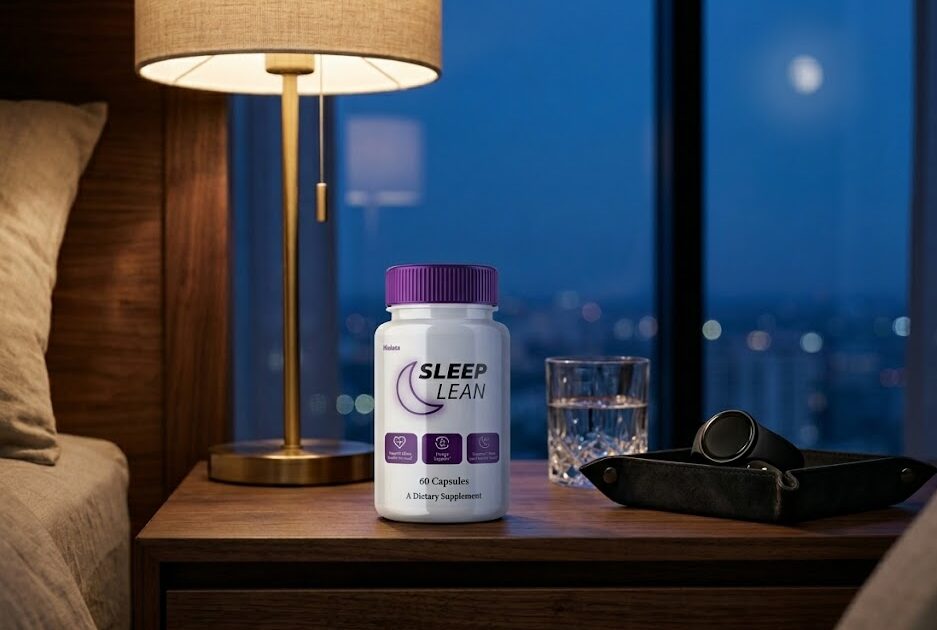
For a specialized strategy that directly addresses nighttime fat oxidation and sleep optimization without relying on stimulants, reading comprehensive Sleep Lean reviews can offer critical insights into how specific ingredients trigger resting thermogenesis.
When introducing any advanced metabolic formula into your nighttime stack, it is equally important to cross-reference safety data and understand any potential Sleep Lean side effects to ensure the protocol aligns perfectly with your body’s long-term health baselines. Combining optimal sleep hygiene with advanced metabolic triggers allows you to turn your rest hours into an active fat-burning window.
🛑 Ready to Upgrade Your Evening Routine? Don't let poor sleep patterns destroy your metabolic progress. Tap below to claim your supply of the highest-purity sleep support gummies available on the market today:
👉CLICK HERE TO ACCESS THE OFFICIAL SITE AND SECURE YOUR EXCLUSIVE DISCOUNT
Scientific References & Bibliography
- Shannon, S., et al. (2019). Cannabidiol in Anxiety and Sleep: A Large Case Series. The Permanente Journal, 23, 18–041.
- Papatriantafyllou, E., et al. (2022). Sleep Deprivation: Effects on Weight Loss and Weight Loss Maintenance. Nutrients, 14(8), 1549.
- Babson, K. A., et al. (2017). Cannabis, Cannabinoids, and Sleep: a Review of the Literature. Current Psychiatry Reports, 19(4), 23.